

The Hold and Win mechanic has solidly positioned itself as a mainstay of modern video slots, achieving enormous popularity in the UK and across Europe https://hold-and-win.eu.com/. At its core, this game engine centers on locking valuable bonus symbols in place during a special respin feature, but the full payout picture goes much further. Every Hold and Win title combines standard line wins, scatter pays, and a multi‑tiered bonus round that can include fixed jackpots, symbol‑based cash prizes, multiplier boosts, and extra spin triggers. For the analytical player, analyzing how winning combinations are formed and how payouts are calculated exposes the mathematical heartbeat of these games. This exploration delivers a comprehensive breakdown of winning combinations and the payout structure, using a applied lens that helps players understand what to expect from any given session. By reviewing the interplay between base game paytables, bonus activation rules, and volatility, readers will obtain a clear framework for judging the potential of Hold and Win titles.
Symbol Prizes and Jackpot Tiers in Hold and Win Games
Coin Values
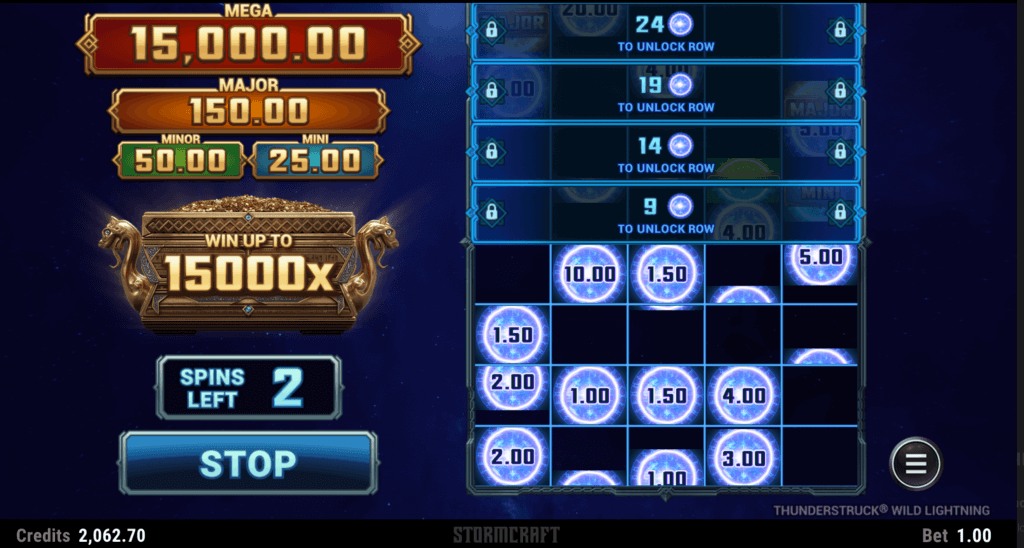
At the core of every Hold and Win feature is the symbol cash system. Each special symbol that appears and sticks during the feature displays a numeric award, which is a predetermined sum or, more often, a multiplier of the total bet. Common value ranges range from 1x to 15x the stake, although high-end variants within the Hold and Win series can push caps to 25x or above. The given value is selected from a weighted set, meaning smaller prizes appear far more frequently than the upper extremes, a pattern that directly influences the feature’s payout rhythm. As fresh symbols lock in place, these amounts simply add together, giving the overall win a obvious and straightforward sequence. For instance, collecting four symbols valued at 2x, 5x, 8x, and 12x produces an immediate 27x total bet payout without any multiplier increase. This simple accumulation system lets players to assess payout potential by sight as the grid fills, adding a layer of tactical excitement without complicated math.
Jackpot Levels and Their Collection
The majority of Hold and Win releases incorporate a jackpot system—commonly three static jackpots named Mini, Minor, and Major, plus the final Grand jackpot. In contrast to the cash‑on‑symbol prizes that appear on separate icons, these jackpots are reserved for unique symbols or are granted when specific conditions are fulfilled during the feature. The Mini and Minor jackpots typically have values of 20x to 50x the stake, the Major typically sits between 100x and 500x, and the Grand can hit thousands of times the bet, sometimes attaining game-changing totals in networked progressive versions. To secure a jackpot, a player must get the matching jackpot symbol, which then stays similar to a cash symbol, or, in certain designs, fill an entire row or the entire screen to trigger the Grand. The Hold and Win Games platform presents multiple games where gathering a fixed count of special pot symbols directly activates the Grand prize. As these jackpots sit on top of the total coin values, they often turn an a bonus round that is already profitable into an exceptional payout event, and their existence is a key reason players prefer this feature.

The Hold and Win Mechanic: Triggering and Symbol Locking Process
The key moment in any Hold and Win game happens when a predetermined count of bonus symbols—typically six or more coin or diamond icons—land simultaneously on the base game reels. This event initiates the feature of the same name, removing all regular symbols and fixing the triggering symbols in their positions. The player gets three respins to start; during each spin, only bonus symbols or special symbols can land, and any new bonus symbols that appear also lock in place and reset the respin tally back to three. The feature carries on until the player uses up all respins without adding fresh symbols, or until every reel position is filled with locked symbols. At the conclusion, the total win is calculated by summing the face values of every locked bonus symbol, including any jackpot labels, and applying applicable multipliers. This progressive accumulation mechanic generates a clear sense of anticipation, as each additional symbol pushes the total payout higher, and it is the bedrock of the Hold and Win popularity.
Multiplier Mechanics and Additional Spin Dynamics
Implementing Multipliers During the Hold and Win Round
Multiplier tokens constitute one of the most impactful enhancements present in the Hold and Win bonus. When a multiplier symbol appears, it lacks a cash value directly; alternatively, it boosts the total accumulated prize at the end of the feature by a specified factor. Typical multiplier values include 2x, 3x, 5x, and occasionally 10x, with the symbol either remaining fixed like a regular bonus coin or triggering immediately and then disappearing. In games where the multiplier locks, it may influence only the values collected so far, or it can magnify the entire final total, including all subsequent symbols. Some titles from the Hold and Win Games selection offer cumulative multipliers, where multiple multiplier symbols combine additively—two 2x symbols resulting in a 4x boost—while rarer implementations enable multiplicative stacking for genuinely massive results. The timing of a multiplier appearance greatly affects the expected value of a bonus round: an early 5x symbol sets the stage for a massive total even with modest cash coins, while a late multiplier can rescue an otherwise disappointing feature. Players who wish to gauge a game’s volatility should examine the multiplier frequency in the paytable.
Bonus Spins and Retrigger Conditions
Bonus spins are a vital part of the Hold and Win dramatic sequence, as they lengthen the feature and raise the odds of filling the grid. Most common Hold and Win games begin the bonus with three respins, but extra spin symbols—often shown as a plus icon or a specific boost token—can appear at any time during the locked stage. When one lands, it provides a predetermined number of additional respins to the tally, usually one to three extra spins, without returning the count to three. This subtle difference means a player on zero respins can suddenly obtain a lifeline, maintaining the round alive. Some variants offer a retrigger condition where filling an entire column or row grants an extra batch of spins. Additionally, certain titles use a ‘respin until win’ format that ensures a minimum payout threshold. The Hold and Win Games platform displays a selection of implementations, from simple extra spin awards to complex retrigger ladders that compensate consecutive completions. Astute players recognise that extra spin symbols effectively act as non‑cash value boosters that prolong the round’s duration, implicitly raising the average final payout by giving more opportunities for high‑value symbols and jackpots to appear.
Well-known Paytable Variations Across Diverse Hold and Win Titles
The term Hold and Win includes a extremely diverse family of mechanics, and players who scan the Hold and Win Games platform quickly see that no two paytables are identical. Some titles adhere to a basic 5×3 grid with 25 paylines and a direct cash‑coin bonus, while others incorporate expanding reels, sticky wilds during the feature, or a dedicated Grand jackpot that only pays when the full screen fills. A common variation includes adding magnetic or collector symbols that collect all shown cash values before locking, greatly raising the total win. Another frequent twist is the Boost feature, which increases cash‑on‑symbol values at random during the hold phase. Power Hold and Win variants boost the bonus symbol frequency but reduce individual coin values, trading quantity for consistency. Meanwhile, Mega Hold and Win editions offer oversized symbols that occupy multiple positions, enhancing the chance of a full grid. These differences are not just cosmetic; they directly influence the feature frequency and the expected payout distribution. By evaluating paytable configurations and rule sheets across the Hold and Win Games catalogue, a player can pick a title that matches the desired balance between constant action and life‑changing jackpot potential.
How Winning Combinations Develop on the Reels in Hold and Win Games
Across most Hold and Win slots, the base game utilizes a fixed‑payline configuration—often 20, 25, or 40 lines—or a ways‑to‑win engine where matching symbols on adjacent reels create a win regardless of position. Winning combinations usually form from the leftmost reel, requiring three or more identical symbols, although some low‑pay symbols may trigger with just two. Wild symbols substitute for all regular paying symbols, helping complete line wins, but they rarely substitute for the bonus symbols that power the Hold and Win feature. Scatter symbols, typically represented by a game logo or free spin icon, award payouts multiplied by the total bet when a minimum number appears anywhere on the reels. This layered architecture makes sure that while players wait for the main Hold and Win bonus, smaller line wins keep the balance steady. Understanding these foundational combinations is crucial, because the bonus round’s potential is often benchmarked against the base game’s average return, giving context to both small and large payouts.
RTP and Volatility Influence on Payout Distributions
A thorough grasp of Hold and Win payouts cannot ignore the inherent payback percentage and the risk nature that controls how often and how substantially the game distributes. Hold and Win titles usually feature an RTP ranging from 94% to 96.5%, with the exact value listed in the game rules. This number represents the theoretical extended return, but it is distributed irregularly across the main game and the special round. Commonly, a substantial part of the RTP—commonly 50% to 70%—is allocated for the Hold and Win phase and its linked jackpots, while the remaining portion funds line payments and scatter awards. High‑variance models at the Hold and Win Games platform create that pool purposefully, resulting to longer dry spells between bonus initiations but larger expected rewards when the bonus finally triggers. On the other hand, lower‑variance entries activate the bonus more often, yet the symbol prizes limits and jackpot values are more modest. By checking the paytable’s highest win possibility and the declared volatility, a user can match a game with a personal risk preference, aware that a game with a 5000x max win and high risk will need more persistence and a larger funds than a steady 1000x option.
FAQ
What triggers the Hold & Win bonus round?
Most Hold and Win games demand six or more bonus symbols—often golden coins or diamonds—to show up simultaneously on the reels during the base game. The triggering symbols stay locked and the screen resets to show only special symbols, granting three respins. Any further bonus symbol that lands also locks and resets the respin count back to three, until no additional symbols appear or the grid is full.
By what method do cash-on-symbol prizes work?
Each locked bonus symbol shows a numerical cash value or a multiplier of the total bet. Values typically range from 1x to 15x, but some titles reach 25x or higher. The prizes are summed up at the end of the feature. The distribution is adjusted, so smaller amounts land far more often than large ones, shaping the overall payout rhythm of the bonus.
What exactly are the Mini, Minor, Major and Grand jackpots?
These are static or progressive jackpot tiers unique to the Hold and Win feature. Mini and Minor jackpots commonly sit between 20x and 50x the stake, Major between 100x and 500x, and Grand can hit thousands of times the bet. They are obtained by landing the corresponding jackpot symbol or, in some variants, by filling the entire screen with locked symbols.
Can multiplier symbols appear during the hold feature?
Indeed, many Hold and Win titles include multiplier icons that increase the total accumulated value. Multipliers such as 2x, 3x or 5x may land on the reels or activate instantly. In specific games, multiple multipliers can stack or even compound together. Their appearance can dramatically increase the final payout, especially when paired with a near‑full grid of coins.
Can extra spins affect the final payout?
Extra spin symbols extend the bonus round by awarding one to three additional respins without restarting the counter to three. This extends play and provides more opportunities for high‑value symbols and jackpots to land, indirectly boosting the expected final payout. Games with frequent extra spin tokens are prone to yield higher average bonus returns, although individual coin values remain modest.
In what way does volatility shape Hold and Win payouts?
High‑volatility Hold and Win games reserve a larger share of the RTP for the bonus round, leading to less frequent triggering but significantly larger potential payouts when the feature activates. Low‑volatility options trigger the hold feature more regularly but cap cash‑on‑symbol amounts and jackpots at lower levels. Selecting a game depending on volatility helps tailor the action to a player’s bankroll and patience.
Where exactly can I find detailed paytable details for Hold and Win games?
The most reliable paytable details are accessible directly inside each game’s details or help section. Additionally, the Hold and Win Games platform provides a curated library with game rules, RTP percentages, and paytable overviews, letting players to inspect symbol values, jackpot tiers, and bonus conditions before playing. Examining this data helps set realistic expectations for both the base game and the Hold and Win feature.