If you’re an art lover, then a visit to Charleston House in the charming town of Lewes is a must. This iconic hub was the home of Vanessa Bell, one of the leading figures of the Bloomsbury Group, and it’s a place where art and history come together beautifully.
There’s everything you need to know before visiting, including arty tips for exploring the surrounding areas of Charleston. Whether you’re drawn to its rich cultural heritage or the tranquil beauty of the surroundings, Charleston House offers something special for anyone interested in art and history.
Does Charleston House, Lewes- The Short Answer
Charleston House near Lewes is a must-visit for art and history lovers, as the former home and creative hub of Bloomsbury figures Vanessa Bell and Duncan Grant, where art, design, and daily life merged into a radical modernist vision. Rich with decorated interiors, key Bloomsbury artworks, changing exhibitions, and a vibrant garden, it reflects the group’s lasting cultural influence and is easily reachable from Lewes by train, taxi, or car, making it an ideal day trip rooted in art, ideas, and place.
Charleston Farmhouse: Home of the Bloomsbury Group
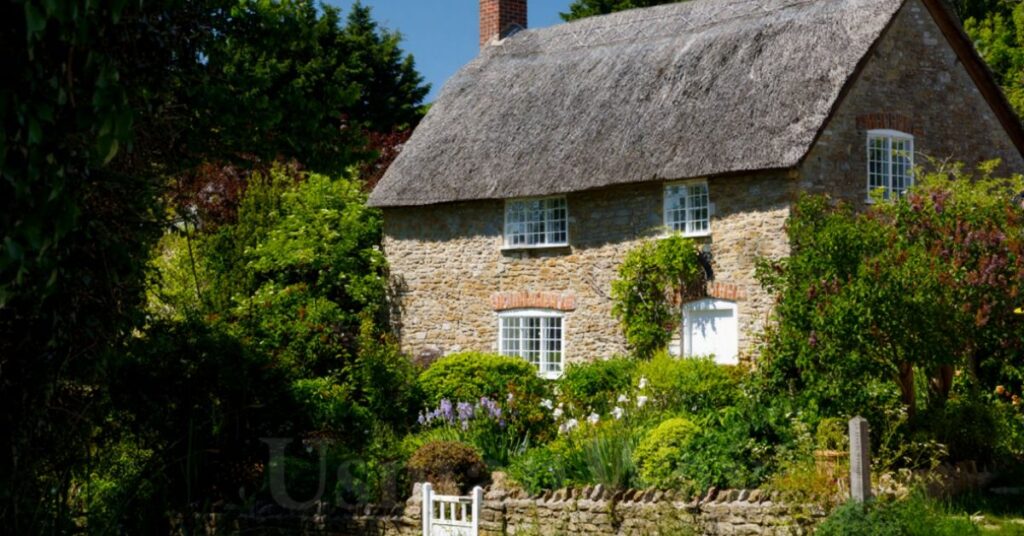
Charleston Farmhouse is a special place where Vanessa Bell and Duncan Grant lived and created. It was not just their home but also a canvas on which the couple, part of the Bloomsbury group of modernist artists, transformed nearly every surface into an artwork. The house itself became a reflection of their artistic vision, brimming with energy.
This inspirational home is a meeting place for a group of people who pushed the limits of art, literature, and social norms. It’s where many ideas came to life and where many creative minds gathered. I’ve always found it full of artistic energy, and you can feel the pulse of its history in every room.
The Bloomsbury group included key figures like Virginia Woolf, E.M. Forster, John Maynard Keynes, and Lytton Strachey, all of whom had a profound influence on the direction of art and culture. The group’s impact extended far beyond the walls of Charleston Farmhouse, shaping the world of art, literature, and intellectual thought.
Vanessa Bell and Duncan Grant were at the centre of this circle of writers, artists, and intellectuals, their creative output leaving a lasting impact on their artistic and intellectual pursuits.
How to get to Charleston Farmhouse
Getting to Charleston from Lewes is easier than it may seem, even though it’s located just outside the town in the countryside. A visit to this historic farmhouse is entirely possible as a day trip, and you don’t necessarily need a car. There are public transport options available, so you can easily make your way here and enjoy the peaceful surroundings without worrying about driving.
From London:
To get to Charleston from London, you can catch a train at London Victoria or Clapham Junction. There are direct trains to Lewes, or you can take a train to Brighton and then change for a train to Lewes, which will take about 1.5 hours. Once at Lewes station, you’ll find a taxi rank with drivers ready to take you to Charleston, a well-known destination.
The taxi ride costs around £20 one way, and you can call the driver 30 minutes before you’re ready to be picked up for the return ride to Lewes. It’s a simple and quick way to reach the house!
From Brighton:
If you’re in Brighton, it’s a quick and easy 17-minute train journey to Lewes, making it the perfect destination for a day trip. Lewes is a lovely town to visit, and from there, you can easily make your way to Charleston House. The short journey gives you a chance to explore the surrounding area and enjoy the charm of both Lewes and the iconic house.
By Car:
If you’re driving from anywhere in the South, getting to Charleston is simple. Just follow the A27 from Brighton toward Eastbourne, then turn onto a narrow country lane that leads directly to the house. Charleston offers free parking, so you won’t have to worry about finding a spot when you arrive. It’s a convenient and scenic drive, perfect for those who prefer travelling by car.
The Art Shuttle:
During the Turner Prize 2023 season, a temporary service, the Art Shuttle, connects several Charleston sites, including Seven Sisters and Tower, Eastbourne. This is a good way to visit all these amazing sites and explore the area without worrying about transport. It’s a great option for anyone wanting to make the most of their trip to Charleston and the surrounding landmarks.
What to see at Charleston Farmhouse

The Charleston site may be small, but it’s certainly mighty in its offerings. The house is the main attraction, and you’ll need a timed ticket to enter. Inside, no bags are allowed, but there are lockers available at the entrance to store your things.
The house is filled with knowledgeable guides in every room, ready to answer any question you have about the history and significance of this iconic place.
In addition to the house, there’s an exhibition space that often showcases work by major artists who specialise in craft. I recently had the pleasure of seeing the incredible works of Betty and George Woodman, which was such a delight. This offers a wonderful opportunity to experience both the historic and the contemporary art in Charleston.
The Famous Women’s Dinner Service
One of the most remarkable pieces at Charleston is the Famous Women’s Dinner Service, a stunning collection of dinner plates painted with portraits of influential women from history. This is one of my favourite artworks, created by Vanessa Bell and Duncan Grant in the 1930s for the collector and patron of the arts, Edward James.
The plates feature women from all walks of life, including queens, warriors, scientists, and activists, celebrating their achievements and their lasting contributions to society.
While visiting Charleston, we had knowledgeable guides in each room, who shared fascinating details about Vanessa Bell’s life there, including the influence of her domineering husband and her struggle for creative opportunities.
It made me reflect on the ideas set out by her sister, Virginia Woolf, in A Room of One’s Own, which deepened my understanding of the melancholy beneath the house’s joyful interior.
It left me with a sense of admiration for the immense sacrifices required of women artists throughout history.
Downstairs: the kitchen, dining room and library
The interiors of Charleston Farmhouse are truly breathtaking, with the house showcasing stunning artworks and hand-painted furniture by Vanessa Bell and Duncan Grant.
From murals on the walls to painted doors and even bedspreads, every room in the house is a unique work of art. The colour scheme and aesthetic in each room may differ, but they all harmoniously blend to create a cohesive whole.
The kitchen is the first room you enter when visiting, with a working Aga that heats the room, and ceramic tiles and cups made by Quentin Bell, Vanessa’s son. Moving to the dining room and library, you’ll find more painted decoration, including a diver on the library door, painted by Duncan Grant.
The library houses a beautiful collection of artwork by 19th and 20th-century artists, many of whom were collected by Clive Bell. One of my favourite aspects of this space is the rich history reflected in the art and design.
Upstairs: the bedrooms
The bedrooms at Charleston are absolutely my favourite part of the house. Clive Bell’s study is located at the top of the house, and it’s filled with an amazing bookcase covered in painted decorations. On the same floor, there are several more bedrooms, including Duncan Grant’s.
One of the house’s charming features is that Duncan Grant and Vanessa Bell painted each other’s doors, giving them a unique touch. The entire upstairs is bursting with colour, artistic trinkets, and wonderful furniture, making each room feel like a piece of art.
My absolute favourite room was the pink bedroom, with a beautiful pink lady painted on the closet door. There are loads of wonderful artworks on the walls, and I particularly noticed a sweet portrait of Berthe Morisot by Manet. The rugs added another cosy element to the room, completing the artistic and inviting feel of the upstairs space.
Downstairs: the sitting room, Vanessa Bell’s bedroom, and the studio
After exploring the bedrooms, you’ll head downstairs to the sitting room, which has a beautiful fireplace painted with Baroque ladies. This room is filled with art objects and looks out onto the garden, adding more colour and life to the space. One of my favourite things in this room is the fish rug, which is a replica made in the 80s—so charming!
Next, you’ll visit Vanessa Bell’s bedroom, which is simple yet charming. A unique feature is the bathroom hidden behind a screen. The polka-dotted cupboard in this room is something I would love to have in my own home. From there, you move on to the studio, a light and airy space that feels like a true hub of creativity, ideal for the Bloomsbury set.
In the studio, the fireplace is not only painted but also collects inspiring scraps, from a Picasso photo to a children’s drawing. Bottles of alcohol still sit on the surfaces, adding to the creative chaos. There’s even a cupboard holding more of the Women’s Dinner Service.
Every tiny detail in this room is gorgeous and fun to explore, like the wooden chair with mushrooms painted on the seat. Before leaving the house for the stunning garden, an elegant portrait of Vanessa Bell at work hangs above a beautifully painted radio.
The garden
The garden at Charleston House is truly charming, a perfect example of a natural and overflowing summer garden, bursting with colour. You’ll find summer flowers filling the flowerbeds, while apples grow heavy on the boughs of the trees. Hollyhocks spill onto the paths, and butterflies flutter around, making the space feel nothing short of magical.
There are several quirky features in the garden from Vanessa Bell’s time, including handmade pots and fragments of classical sculptures. Some of these items are available for purchase as reproductions from the shop.
On my visit, I was lucky to see some incredible benches made by Betty Woodman, which really brightened the space and added even more charm to the already beautiful garden.
The exhibition space
The exhibition space at Charleston requires an extra ticket, but if you have a National Art Pass, it makes the whole combination much cheaper. The small gallery has two exhibition spaces that rotate with works from various contemporary artists.
I was lucky enough to see Betty Woodman’s work there, which is one of my favourite styles. Her aesthetic truly complements the atmosphere of Charleston, blending perfectly with the space.
In addition to the exhibitions, there are always events surrounding them, making each visit even more exciting. Every year, Charleston hosts a festival filled with talks and workshops, offering a fantastic opportunity to dive deeper into the art. The exhibition offering is always changing, ensuring there’s something new and inspiring to discover each time you visit.
Other Bloomsbury sites in Sussex
If you’re looking to go on a full-on pilgrimage to explore other Bloomsbury locations, there are a couple of must-visit spots nearby. Virginia Woolf’s Monk’s House, managed by the National Trust, is a charming and small house where Virginia, Vanessa’s sister, once lived. It’s definitely worth a visit if you’re a fan of the Bloomsbury group.
Another great stop is Berwick Church, St Michael & All Angels, a village church just a few miles from Charleston House. It features a painted pulpit by the Bloomsbury group and more paintings inside the historic church.
Berwick is a delightful village in its own right, making it a worthwhile visiting destination whether or not you’re following the Bloomsbury trail. For more details on the Bloomsbury group in Sussex, check out the site for further information.
A day out in Lewes
Lewes is a charming town and one of the best places in the South for antique shopping. If you love exploring artsy galleries and browsing shops in historic settings, this town has plenty to offer. Stroll down its street corners and discover new spots or enjoy the many things to do here. Whether you’re visiting for a day or planning a weekend trip, you’ll find yourself busy with all the places and experiences Lewes has to offer.
Antiques shopping
Lewes is a wonderful place for antique shopping, offering a wide range of options. Whether you’re looking for high-end or curated pieces, or if you prefer something more affordable, like flea markets, Lewes has it all. If I were to decorate a house, I’d head straight to Lewes for some inexpensive yet beautiful finds.
The Lewes Antiques Centre is a great spot, featuring several floors with a mix of individual sellers offering everything from furniture to art, kitchen gadgets, and clothing.
For those searching for even more treasures, the Lewes Flea Market is a good shout for finding anything you can imagine. If you’re in the mood for something more fancy, there are plenty of antique shops on the High Street as well, each offering unique pieces to suit every taste and style.
Independent shops
If you’re a fan of independent shops, Lewes is a must-visit. This charming town is filled with unique stores offering everything from antiques to handmade goods, making it one of the best places for a special shopping experience.
As you walk through its streets, you’ll discover artsy galleries, quirky boutiques, and many more shops that make the town so special. Whether you’re looking for a souvenir or simply want to explore, Lewes has a lot to offer, especially for those who enjoy a more personal and unique shopping experience.
Lewes Castle
Lewes Castle is a Norman fortress from the 11th century, perfect for history enthusiasts who want to explore its rich past. The castle also offers a wonderful view of the surrounding area, making it an ideal spot for anyone interested in both history and scenic beauty. It’s a great addition to any trip to Lewes, and you’ll find plenty to discover as you walk through its historic grounds.
Anne of Cleves House
Anne of Cleves House is a historic home that offers a fascinating insight into the Tudor-era history and lifestyle. This house is closely linked to Henry VII’s 4th wife, Anne of Cleves, and visiting it allows you to step back in time to see how life was during that period. The house beautifully showcases the history of the Tudor dynasty and provides a glimpse into the life of one of its most interesting figures.
Southover Grange Gardens
Southover Grange Gardens is a beautiful public park in Lewes, offering a peaceful place to relax. It’s surrounded by historic city walls and features lovely flower beds that add to its charm.
Whether you’re looking for a spot to rest or enjoy a picnic, this is the perfect place to unwind while visiting the town. The gardens provide a calm and scenic escape, making it a must-see during your visit to Lewes.
Charleston in Lewes
Charleston has recently opened an outpost in Lewes, creating a new cultural centre in the area. This space hosts temporary exhibitions and various events, making it a wonderful addition to the town’s vibrant cultural scene.
You can also visit the lovely shop at the centre, where you’ll find unique items and artworks that celebrate the spirit of Charleston. It’s a must-see spot for anyone looking to explore the art and history of the region.
FAQ
Who lived at the Charleston house?
Charleston, located in East Sussex, is a significant property tied to the Bloomsbury group. It was the country home of Vanessa Bell and Duncan Grant, two prominent figures of the group. The house showcasesitsr decorative style in a domestic context, reflecting the culmination of over sixty years of artistic creativity. Now open to the public, Charleston offers a glimpse into their artistic world and personal lives, making it a must-see for anyone interested in the legacy of the Bloomsbury group.
Is Charleston House worth visiting?
Charleston House is definitely worth visiting. You can spend a lovely morning wandering around the beautifully tended gardens, which smell absolutely glorious, and it’s completely free to enjoy them. If you’re in the mood, you can also look around the house itself, and I highly recommend paying for the guided tour—it’s extraordinary. The experience is more than just a casual stroll, offering an insight into the stunning art and history that make Charleston such a unique place.
What’s special about Charleston Lewes?
Charleston is not just a house; it’s a modernist home and studio that was the creative hub for painters like Vanessa Bell and Duncan Grant. It became a gathering point for some of the most radical artists, writers, and thinkers of the 20th century, who were part of the influential Bloomsbury group. The house’s legacy is filled with creativity and groundbreaking ideas, making it a unique spot to explore for anyone interested in art, history, and the vibrant world of the Bloomsbury group.
How much is a taxi from Lewes to Charleston House?
The fastest way to get from Lewes to Charleston Farmhouse is by taxi, which takes about 11 min. The cost of the taxi ride typically ranges from £16 to £20, depending on traffic and time of day. It’s a quick and convenient option if you’re looking to make the trip in a short amount of time.