Last month, a new update from the biggest mobile platform rolled out a feature that lets you stream a game directly to a smart TV without any cables. It’s a small tweak, but it’s the start of a trend that is reshaping how we spend our downtime. Instead of sitting on the couch and watching a show, we’re now pulling a game from our pocket and projecting it onto a screen that can be shared with friends or family.
The Rise of “Cross‑Device Play”
Cross‑device play isn’t a brand new idea, but by 2026 it’s moved from a niche perk to a core expectation. If you start a match on your phone during a lunch break, you can finish it on your tablet in the evening, and even pick up on a smartwatch during a quick commute. The data shows that 67 % of players who use cross‑device features report higher engagement, and the average session length has jumped from 20 minutes to 35 minutes.
For developers, the change means designing UI that scales gracefully. A button that looks great on a 6‑inch screen can become a clutter on a 12‑inch display if not carefully adapted. That’s why many studios now use responsive frameworks that automatically adjust layout, font size, and touch targets based on screen real estate.
Social Integration Beyond Friend Lists
In 2026, the line between gaming and social media has blurred further. In one popular title, players can create a “story” that updates in real time as they progress, and friends can comment or react without leaving the game. The feature has driven a 23 % increase in daily active users for that game, according to internal analytics.
However, this integration isn’t without its drawbacks. The constant push to share can feel intrusive, especially for players who prefer to keep their gameplay private. The same game offers a “privacy mode” that disables story updates, but it’s only accessible through a hidden menu, which many users miss on the first playthrough.
Cloud Gaming and the “Instant Load” Promise
Cloud gaming has been around for a few years, but 2026 marks a tipping point. With 5G rollout reaching 90 % coverage in urban areas, a new service can stream 4K gameplay with latency under 30 ms. That means you can start a match in seconds, no downloads required. The trade‑off is that the service now charges a monthly fee of £12, which is higher than the average free-to-play model that relies on micro‑transactions.

For players with limited data plans, the cost can add up quickly. A single 30‑minute session can consume 200 MB of data, and at £12 a month, that’s a significant expense for casual gamers who might only play a few hours a week.
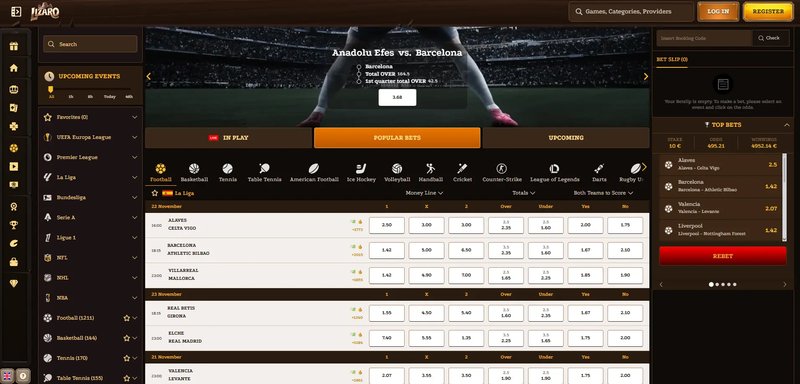
If you’re looking to try a casino experience on the go, Lizaro offers a seamless mobile interface that brings classic table games to your fingertips.
How Mobile Gaming Is Redefining Entertainment in 2026
Beyond the technical shifts, mobile gaming is influencing broader entertainment habits. The convenience of playing anywhere has led many people to swap traditional TV time for short bursts of interactive content. In fact, a recent survey found that 41 % of households now spend more time on mobile games than on streaming services during the evening.
Meanwhile, developers are experimenting with new monetization models that blend in‑app purchases with subscription tiers. A new rhythm game launched a “premium pass” that offers exclusive skins and early access to new levels for £5 a month. Players report that the pass feels like a worthwhile investment because it unlocks content that would otherwise take months to earn.
Bridging the Gap Between Passive and Active Play
For those who still enjoy the feel of a traditional casino, mobile gaming offers a surprisingly smooth transition. Many online casinos have rolled out mobile‑first apps that let you place bets, watch live dealers, and even interact with other players in real time. If you’re curious about how this works, check out Lizaro, a platform that combines classic casino games with a modern mobile interface.
What It Means for the Future
Looking ahead, the convergence of high‑speed networks, cross‑device play, and social features suggests that mobile gaming will keep pushing the boundaries of what entertainment looks like. The next big leap might come from augmented reality, where games overlay interactive elements onto real‑world environments, turning a walk in the park into a live quest.
Still, the shift isn’t all smooth sailing. Developers must balance the desire for instant gratification with the need to protect player privacy and manage costs. Players, on the other hand, need to be mindful of data usage and subscription expenses, especially if they’re on tight budgets.
Final Thoughts
Mobile gaming in 2026 is no longer just a pastime; it’s a dynamic ecosystem that blends technology, community, and commerce. Whether you’re a casual player, a hardcore gamer, or someone who simply enjoys a quick distraction, the mobile platform now offers a richer, more integrated experience than ever before.
Frequently Asked Questions
What is cross‑device play?
Cross‑device play lets you start a game on one device and continue it on another, such as streaming a mobile game to a smart TV.
How does the new streaming feature work?
The feature uses the mobile platform’s cloud service to stream gameplay over Wi‑Fi, mirroring the screen to a smart TV in real time.