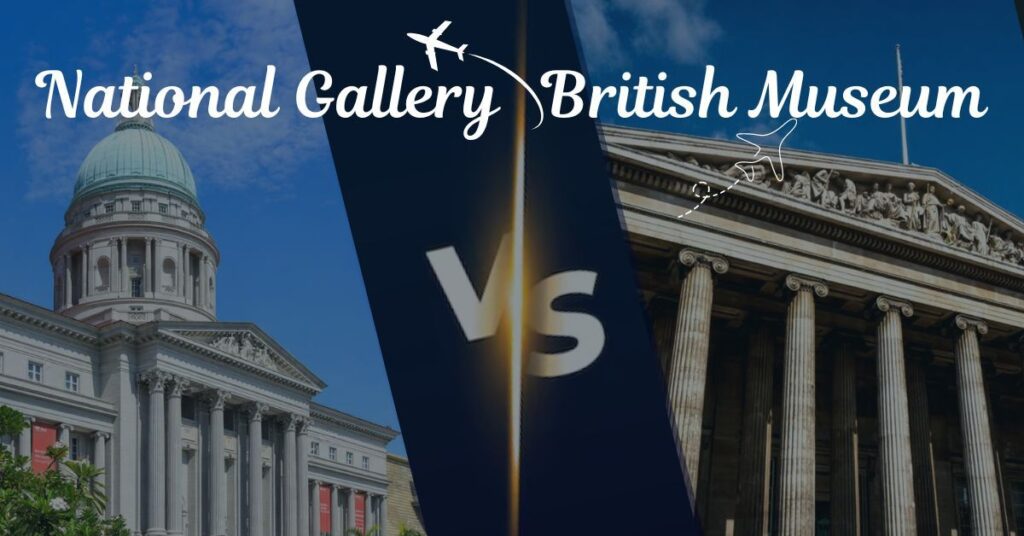
When you’re in London with limited time, deciding whether to visit the National Gallery or the British Museum can be tricky. As an art historian, I can tell you that both of these iconic institutions offer rich insights into art and cultural heritage, but each presents a unique experience. The National Gallery, with its vast collection of art, showcases masterpieces that span centuries, making it a must-see for those with a deep passion for art history.
On the other hand, the British Museum takes you on a journey through human history, offering an unmatched collection of global artifacts that represent civilizations from around the world. Both museums are among the most visited in the world, and when it comes to choosing the best one to visit, it largely depends on your cultural interests. In this post, I will help you weigh both options and decide which museum best suits your preferences.
If you’re looking to immerse yourself in timeless works of art, the National Gallery is likely the choice, but if you’re more interested in understanding human history through ancient cultural heritage, the British Museum will captivate you.
.
Does National Gallery vs British Museum- The Short Answer
When deciding between the National Gallery and the British Museum in London, it depends on your interests. The National Gallery offers a collection of iconic art from Western Europe, including masterpieces by Van Gogh and Monet, while the British Museum showcases artifacts like the Rosetta Stone and Parthenon Sculptures, reflecting global history. Both museums are free to visit, offer guided tours, and are must-sees, but the National Gallery focuses on art, while the British Museum dives into human history.
London’s Cultural Showdown: British Museum vs. National Gallery
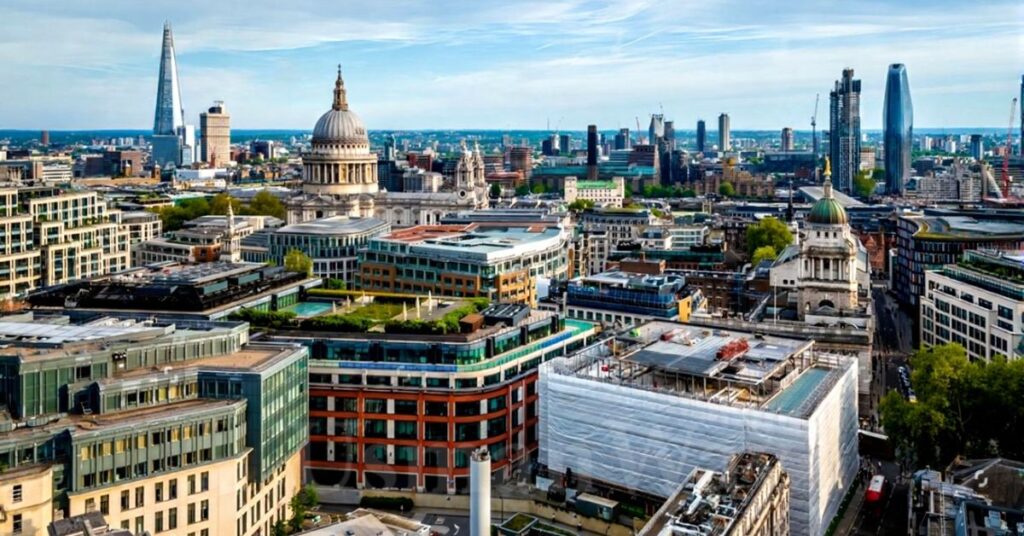
When you’re in London, a city known for its rich culture and history, two museums stand out as must-visits: the British Museum and the National Gallery. Both are world-class institutions, offering visitors an unmatched opportunity to immerse themselves in global history and art. The British Museum is home to incredible ancient artifacts from civilizations all over the world, showcasing the depth and breadth of human history.
Meanwhile, the National Gallery features iconic masterpieces that span centuries of art, offering a unique glimpse into the evolution of artistic expression.
Both museums are part of the cultural fabric that makes London one of the greatest cities in the world. Whether you’re an art lover or history enthusiast, there is something for everyone at these famous institutions. The best part? General admission to both is free, allowing you to explore these treasures without breaking the bank.
If you’re looking to experience a cultural wonderland, these two museums are perfect stops on your journey through London’s vibrant heritage.
British Museum vs. National Gallery
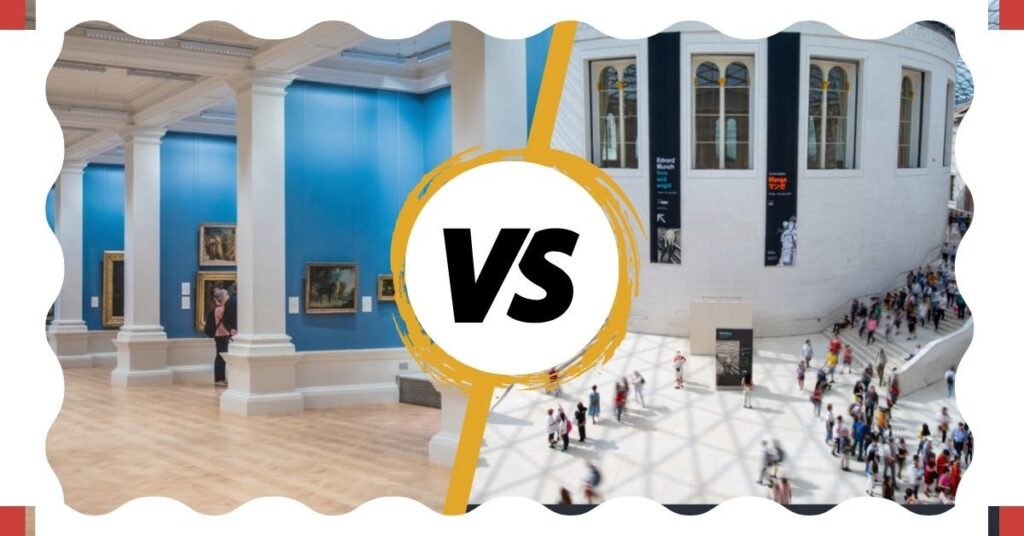
When it comes to deciding which museum to visit in London, it really depends on your interests. If you’re fascinated by history and artifacts, the British Museum is the obvious choice.
It offers a deep dive into human history, featuring everything from ancient Egyptian relics to Roman sculptures. However, if you’re more of an art buff, the National Gallery will give you a chance to experience some of the finest art from the past and present, with masterpieces from famous artists. Luckily, both museums are world-class institutions, and you’ll have a fantastic time at either.
They’re in walking distance from each other or just a quick easy tube ride away, and the best part is they’re both free to enter, so you can pick both and enjoy a culture-filled day without spending a dime.
The British Museum
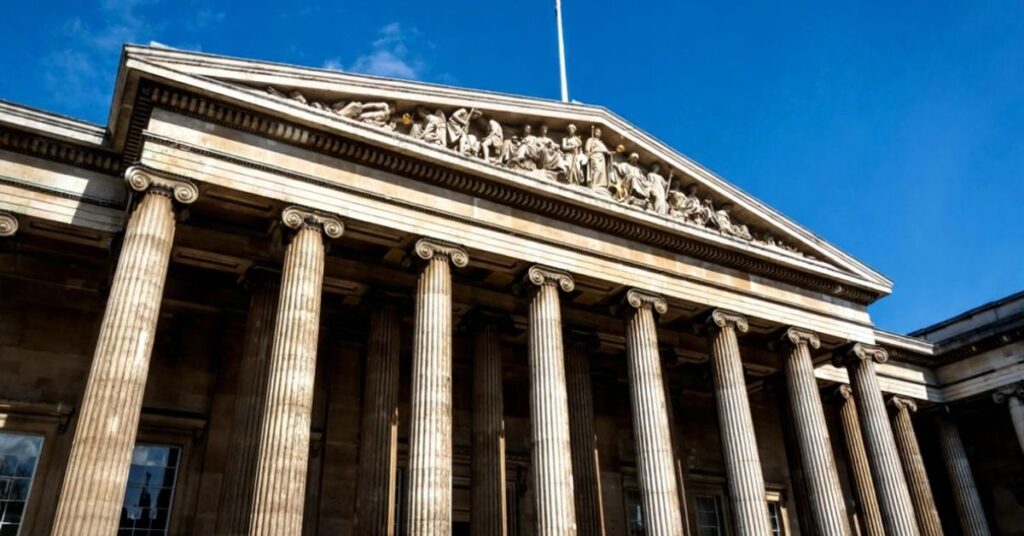
The British Museum is one of the largest and most comprehensive museums in the world, with a collection of over 8 million objects. It’s a massive institution known for its incredible ancient artifacts like Egyptian mummies, Greek statues, and Mesopotamian pottery. One of the most famous pieces in the collection is the Rosetta Stone, which helped scholars decipher Egyptian hieroglyphs.
With its scope covering objects from all over the globe, you could easily spend an entire day exploring its exhibits. It’s not just about history—it’s a celebration of human culture and history, offering something for everyone, from ancient Rome to modern-day Japan.
What makes the British Museum stand out is how its exhibits are organized. Instead of focusing on specific regions or time periods, it’s arranged thematically, allowing you to explore topics like religion, money, and technology. You can see how different cultures and periods have represented these concepts, offering a unique perspective on the evolution of human society.
Whether you prefer wandering through the galleries on your own or taking a guided tour with experts who provide context and insights, there’s always something new to learn.
The museum also offers plenty of practical amenities to enhance your visit. Maps are available to help you navigate, and there are benches and rest areas throughout if you need a break. Families with kids will appreciate the children’s area, where little ones can learn about history and culture in an interactive way through games, puzzles, and other fun activities.
For a bit of relaxation, the museum also has quiet spots and places to enjoy a meal, with cafes, restaurants, and a gift shop offering souvenirs to take home. It’s a place that truly celebrates the diversity of our planet.
The National Gallery, London

If you’re a fan of art and culture, the National Gallery is a must-see stop on any 7 Days in London Itinerary. This world-renowned museum features iconic artworks spanning over 700 years, from the Middle Ages to modern times, with Western European masterpieces by artists like Van Gogh, Monet, and Leonardo da Vinci.
One of its highlights is the most extensive collection of paintings by Van Gogh outside of Amsterdam, making it a must-see for any art lover. The museum’s exhibits are a true feast for the senses, offering visitors a chance to admire not only the art but also the history behind each piece.
A standout feature of the National Gallery is its collection of works from different artistic movements, including the Baroque period with artists like Caravaggio and Rubens. Their use of light and shadow to create dramatic effects can be seen throughout the gallery. Another famous piece is the Arnolfini Portrait by Jan van Eyck, a 15th-century masterpiece known for its realism and meticulous detail.
You’ll be amazed by how every figure and element in the painting is painted with incredible precision. Whether you’re exploring the galleries on your own or taking one of the guided tours, the experience is one to remember.
Located in Trafalgar Square, the National Gallery is surrounded by landmarks and has a lively buzz of activity. It’s the perfect place to people-watch while soaking in the vibrant atmosphere of London. If you get hungry, there are several cafes and restaurants to enjoy, along with a gift shop where you can pick up souvenirs or books about the exhibits.
And to stay connected, there’s a free Wi-Fi network to help you explore more. The National Gallery is truly a treasure trove of human creativity and a testament to the enduring power of art.
An overview of the National Gallery, London
Highlights from the National Gallery collection
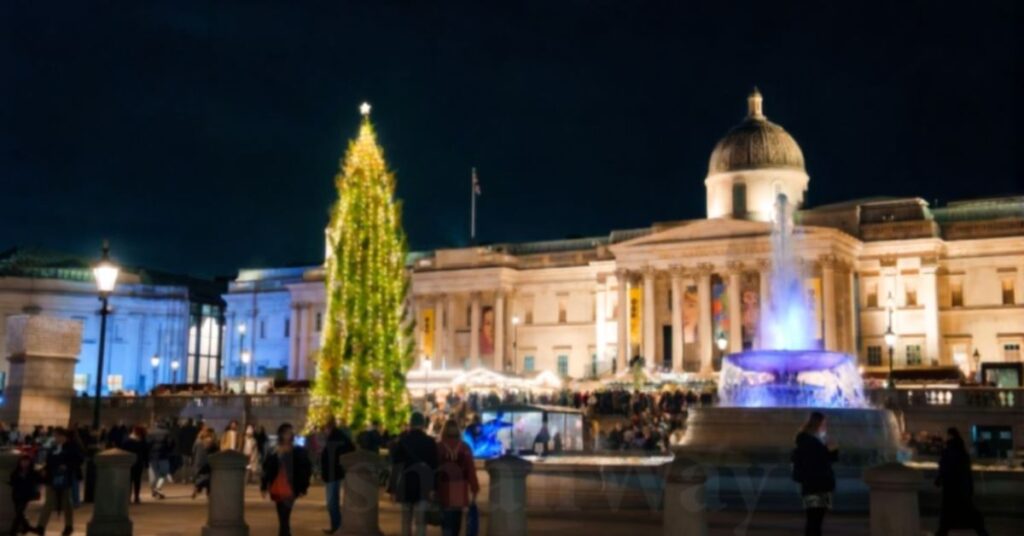
The National Gallery in London is home to so many incredible artworks that it’s difficult to narrow down the key highlights. However, I’ve selected 4 notable pieces from the collection to give you a glimpse of what’s on display.
Each of these pieces stands out for their historical significance and artistic mastery. I am also working on a longer overview of the entire collection to give you more insights into the highlights and unique works found in this world-renowned museum.
Van Eyck, Arnolfini Portrait, 1434
The Arnolfini Portrait, painted by Van Eyck in 1434, is one of the most recognisable works in the National Gallery. It shows Giovanni Arnolfini, an affluent Italian merchant, and his bride, Giovanna Cenami, standing in their opulently adorned home. The intricate details of their clothing,
the ornate mirror in the background, and the elegant chandelier provide a glimpse into the lavish lifestyle of the Renaissance era. Despite its small scale, the intricate and accurate handling of paint creates realistic textures that are a hallmark of Northern European painting.
The painting is full of rich symbolism, like the orange representing fertility and the dog symbolising fidelity. Every element in the artwork is meticulously painted to convey deeper meanings, showcasing the skill and artistry of Van Eyck during the Renaissance. This piece offers a window into the world of the Renaissance era, with a careful balance of realism and symbolism that makes it a timeless masterpiece.
Van Gogh, Sunflowers, 1888
Vincent van Gogh’s Sunflowers series, particularly the version from 1888, is one of the most recognisable and universally loved sunflower paintings in the National Gallery. The painting’s vibrant colours and bold brushwork perfectly capture the essence of the Post-Impressionist movement.
Van Gogh’s use of thick layering and impasto paint gives the sunflowers a three-dimensional quality on the canvas, drawing your attention to his innovative and loose style. It’s a true masterpiece that reflects his unique approach to painting, making it popular with art lovers worldwide.
Titian, Bacchus and Ariadne, 1520
Titian’s Bacchus and Ariadne, painted in 1520, is a large-scale masterpiece that vividly tells the story of Ariadne’s discovery by Bacchus on the isle of Naxos. The vibrant use of colour, especially the clarity of the blues created with expensive ultramarine pigment, brings this myth to life.
The dynamic composition includes detailed drapery blowing in the wind, a complex procession of Bacchus’ followers, and even two cheetahs leading the pack. It is likely that Titian painted these figures from direct observation of the Duke’s menagerie, which made the work even more vivid and realistic.
Hans Holbein the Younger, The Ambassadors, 1533
Hans Holbein the Younger’s The Ambassadors, painted in 1533, is a remarkable portrait of two prominent individuals from the court of King Henry VIII of England: Jean de Dinteville and Georges de Selve. However, this isn’t just a traditional portrait—it’s a complex and intriguing artistic composition. One of the most conspicuous features is the anamorphic skull in the foreground, which at first seems like a distorted depiction.
This memento mori serves as a stark reminder of life’s impermanence and the inexorable approach of death. When viewed frontally, the skull appears almost smeared, but Holbein cleverly designed it as an optical illusion that consolidates into a recognizable skull when seen from a side angle.
Tips for a good visit
Before your visit to the National Gallery or the British Museum, take a look online to see which artworks are on display and where they are located. This will help you prioritise what you’d most like to see and head straight there. Don’t hesitate to ask the attendants in the rooms for more information. They aren’t just security; they are often knowledgeable and passionate about the artworks and can offer insights you may not have considered. If you’re visiting the National Gallery, remember it’s open late on Fridays until 9pm, which makes it easier to visit outside of daylight hours. You can also check out any scheduled talks and events going on in the galleries during your day there, which can add much richness to your visit.
An overview of the British Museum
Highlights from the British Museum collection
The Rosetta Stone
The Rosetta Stone was discovered in 1799 near Rosetta, Egypt. It is inscribed with characters in three languages: Demotic, Ancient Greek, and Ancient Egyptian hieroglyphs. The text says the same thing in all three languages, acting as a code breaker that helped scholars translate ancient texts.
Created around 196 BC, the discovery of the Rosetta Stone was a major breakthrough in archeology and history, as it allowed researchers to decipher hieroglyphs for the first time. This discovery made it possible to translate many other hieroglyphic texts, unlocking the secrets of ancient civilizations.
Parthenon Sculptures
The Parthenon Sculptures, a series of sculptures created by Phidias in the 5th century BCE, are a major highlight in the British Museum collection. These sculptures depict mythological scenes such as battles from the Trojan War and a Panathenaic procession. Originally part of the Parthenon in Athens, a monument to Athena, they hold significant cultural value as examples of Classical Greek art.
Lord Elgin, a British Ambassador in the 19th century, transported the sculptures to Britain to preserve them, sparking ongoing debates about repatriation. Greece now has an empty museum at the Acropolis waiting to display the sculptures, but the British Museum remains at the center of a heated debate, as these artworks continue to draw many visitors.
Double Headed Serpent
The Double-Headed Serpent is an Aztec object created in the 15th-16th centuries, made up of over 2000 pieces of turquoise mosaic arranged at different angles to create a shimmering effect that mimics both feathers and scales. This serpent represents the Aztec god Quetzalcoatl, a feathered serpent, symbolizing the duality between heaven and earth.
It’s an exquisite object that may have been used by Montezuma II and was potentially gifted to Cortes upon his arrival in Mexico, before the indigenous people understood the true intent of the Conquistadores.
Benin Bronzes
The Benin Bronzes are a collection of objects from the Benin Kingdom (now modern-day Nigeria), though they are erroneously named since they are mostly made of brass, not bronze. These objects were looted from Benin City in 1898 by the British, and now many are on display in the African galleries at the British Museum.
The repatriation of these pieces has been a major controversy and news topic in recent years. Many of the brass plaques were used to decorate the Oba’s palace in Benin City, depicting the ferocity of Benin warriors and their symbiotic trade relationship with the Portuguese in the 16th century.
These works are highly sophisticated, created using the lost wax technique, a challenging casting process, and they are truly magnificent creations in human history.
Limitations of the museum
The British Museum holds displays from all over the world, but many items, such as the Parthenon Sculptures and Benin Bronzes, have contested provenance. These objects are surrounded by controversy and repatriation debates, raising questions about their true ownership.
While the museum is an incredible place to see global objects, it’s also a testament to British Imperialism, with fraught histories behind how these pieces ended up in its collection.
Tips for a good visit
When visiting popular museums like the National Gallery in London, be prepared to queue as there is often a line of people waiting to go through security, which may add some extra time to your visit. It’s helpful to plan ahead and consult the map to avoid getting lost in the busy galleries. Instead of an aimless wander, it’s much more enjoyable with a clear purpose in mind. If you prefer fewer crowds, consider visiting the museum at night. Like the National Gallery, it’s open late on Fridays until 8:30 pm.
FAQ
What’s better, the British Museum or the National Gallery?
It really depends on what you wish to see. If you’re interested in art, the Gallery is fantastic, but if you prefer artifacts, the British Museum is the way to go. I was just there last week and found the Vikings exhibit particularly interesting, along with the displays on ancient Greece and ancient Rome. The BM also has a wonderful Parthenon exhibit, showcasing some of the most iconic pieces in history.
What is the #1 museum in London?
When it comes to the #1 museum in London, the British Museum stands out as an absolute masterpiece. It’s a timeless treasure trove of history and culture, offering visitors a rich experience filled with artifacts from across the world. If you’re looking for a place that showcases the beauty and depth of human history, the British Museum is the top choice.
Can you do British Museum and National Gallery in one day?
Yes, you can easily visit both the British Museum and the National Gallery in one day with a 5.5-hour exclusive guided museum combo tour. This private guide tour takes you through the hallways of the National Gallery, where you can admire famous works like Jan van Eyck’s Arnolfini Portrait and Van Gogh’s Sunflowers. It’s a perfect way to experience two of London’s top attractions in just one day!
What’s better, the British Museum or the Natural History Museum?
The main difference between the British Museum and the Natural History Museum lies in their focus. The British Museum emphasizes human history, art, and culture from around the world, featuring artifacts like the famous Rosetta Stone. On the other hand, the Natural History Museum dives into the natural world, with exhibits on dinosaurs, mammals, and earth sciences. If you’re more interested in science and the natural world, the Natural History Museum is your place, but if you prefer human history and artifacts, the British Museum is the better choice.